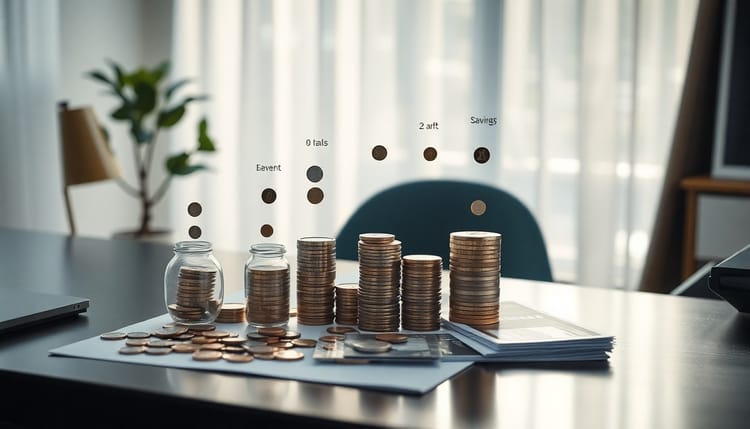
How to Build a Wealth Preservation Framework
Wealth preservation is not the same as refusing to take investment risk. A household can hold a large portfolio and
What Airline Safety Systems Teach About Financial Risk
An airline does not manage safety by asking its pilots to be more careful. It organizes decisions, assigns responsibilities, checks
Financial Planning for an Unpredictable World
Financial plans usually fail at the point where a tidy forecast meets an untidy life. Employment changes, unexpected repairs, higher
How to Build Wealth One Financial Decision at a Time
Wealth is usually built through a sequence of decisions rather than one dramatic breakthrough. Each choice determines what remains available
The Economics of Personal Productivity: Time, Value and Trade-Offs
Personal productivity is usually framed as a question of getting more done. Economics asks a harder question: what is the
The Economics of Financial Stability: Risks and Resilience
Financial stability is often mistaken for an economy without losses, a portfolio without volatility, or a household that never faces
Financial Optionality: How to Preserve Freedom of Choice
Two households can report the same net worth and have radically different room to maneuver. One owns valuable property but
How to Build a Low-Friction Personal Finance System
A good financial system should make the right recurring actions easier without making important decisions invisible. That distinction matters. Automation
How to Build a Household Investment Committee That Works
A household investment committee sounds formal, but the useful idea is simple: stop making important investment decisions as isolated reactions.
The Economics of Personal Freedom: Money, Time, and Choice
Personal freedom has an economic dimension that is easy to overlook. It is not simply the size of a bank